
What is an IBMS (Integrated Building Management System)?
Understanding BMS 4.0 architecture, IoT telemetry, energy monitoring and central HVAC control for commercial facilities in India.
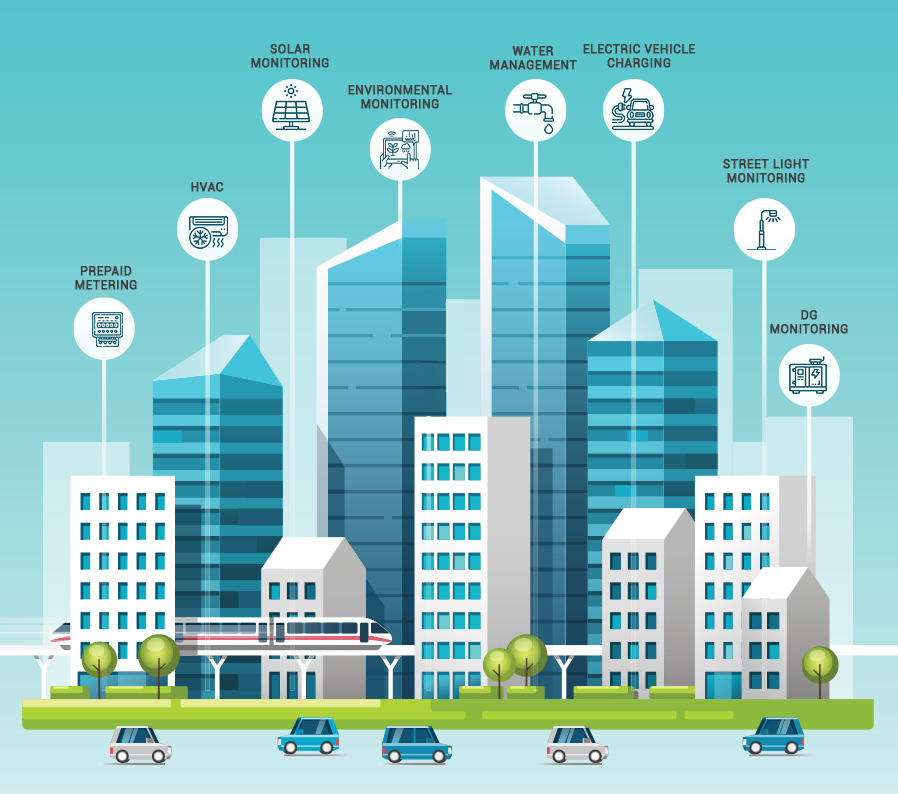
Introduction to Modern Building Automation
In commercial real estate, data centres and manufacturing plants, energy performance and occupant comfort are common operational priorities. Heating, ventilation and air conditioning (HVAC), electrical sub-metering, lighting and fire safety are often installed as separate systems. Where those systems are not integrated, operators may lose visibility of coordinated alarms, trends and control actions.
An Integrated Building Management System (IBMS)—also known as BMS 4.0—solves this by unifying physical facility hardware into a centralized, intelligent software environment.
Core Sub-Systems Unified by IBMS 4.0
Depending on the approved integration scope, an IBMS can monitor and control the following facility sub-systems:
- HVAC Control: Automating chillers, Air Handling Units (AHUs), Variable Air Volume (VAV) boxes, and cooling tower pumps using programmable DDC controllers like the Tor Saturn AHU Controller.
- Smart Energy Monitoring: Polling compatible multi-function energy meters for the parameters supported by the selected model and approved integration scope.
- Environmental Telemetry: Gathering real-time data from BMS sensors measuring temperature, relative humidity, CO2 levels, and occupancy.
- IoT Connectivity Gateways: Using industrial edge devices like Tor Jupiter and Venus gateways to bridge field Modbus RTU loops to cloud dashboards.
- Switchgear & Panel Monitoring: Tracking main incoming breaker status, APFC power factor panel performance, and generator ATS switchovers.
How IBMS Control Strategies Can Affect Energy Use
Depending on the installed controls and approved sequences, an IBMS can adjust building systems in response to schedules, occupancy or measured conditions. Potential energy savings depend on the facility’s existing baseline, operating schedule, equipment efficiency, control strategy, occupancy patterns and implementation scope. A site assessment and baseline analysis are required before estimating savings for a particular facility.
Implementing IBMS With SS Exim
SS Exim supplies and integrates BMS products subject to availability, approved project scope and applicable OEM terms. Mumbai, Pune and Bangalore are service areas; availability for other locations must be confirmed for the specific project. Performance targets require a documented baseline, control strategy and acceptance criteria.
References
Standards describe general methods and requirements; they do not establish compliance for a specific SS-EXIM project or product.
Engineering limitation and safety notice: This article is general educational guidance. It is not a design, a specification, a quotation or an approval, and it does not establish compliance with any standard for a particular product or installation. Ratings, fault duty, protective settings, coordination and final equipment selection must be confirmed by a qualified electrical engineer against site measurements, current manufacturer documentation and the applicable statutory requirements. Work on electrical equipment must only be carried out by competent persons using the required isolation and personal protective measures.
Ready to Automate Your Building Infrastructure?
Contact SS Exim to discuss IBMS 4.0 architecture for a commercial tower, factory or data centre. Scope, sequences of operation and acceptance criteria are defined in the approved proposal.
Get an IBMS Proposal